
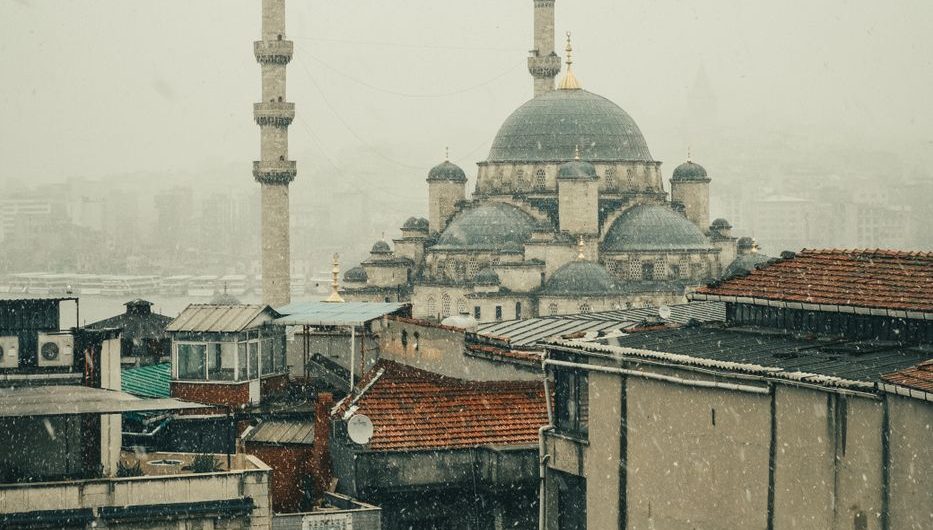
Winter in Istanbul runs from December to February, with average highs of 9–11 °C, lows of 3–5 °C and rain on 9–12 days a month; snow falls in some years, usually in January or February. Every major sight stays open, crowds and hotel prices drop, and the city’s cosy side comes into its own: hammams, covered bazaars, warm boza and roasted chestnuts on the street.
Winter is Istanbul’s most underrated season. The queues at Hagia Sophia and Topkapı Palace shrink, the Bosphorus ferries are full of locals rather than tour groups, and a grey, misty morning on the Golden Horn has a beauty of its own. This guide covers the weather month by month, what is open, the best things to do on cold and rainy days and what to pack. It is written by Alpaca Travel, a TÜRSAB-licensed agency (No. 18552) that runs daily and private tours in Istanbul all year.
Istanbul in winter at a glance
| Season | December to February: cool, damp and occasionally snowy |
|---|---|
| Temperatures | December 5–11 °C, January 3–9 °C, February 3–10 °C |
| Rain | 9–12 rainy days a month; December is the wettest month |
| Daylight | About 9¼ hours at the winter solstice: sunrise around 08:27, sunset around 17:40 |
| Holidays | 1 January; Ramadan from 8 February to 8 March 2027, then Ramazan Bayramı on 9–11 March |
| Busy spells | Christmas and New Year week, and the Turkish school mid-term break in late January |
| Prices | Low season: hotels are cheaper except around New Year |
Istanbul weather in winter, month by month
Istanbul’s winters are cool and wet rather than freezing: daytime highs stay around 9–11 °C, and nights rarely drop far below zero. The real discomfort comes from damp air and wind off the Bosphorus, so a waterproof, windproof jacket matters more than a heavy coat.
| Month | Average low | Average high | Rain | Rainy days |
|---|---|---|---|---|
| December | 5 °C | 11 °C | 105 mm | 12 |
| January | 3.3 °C | 9.0 °C | 60 mm | 9 |
| February | 3.4 °C | 9.7 °C | 65 mm | 9 |
Snow falls when cold air arrives from Russia over the Black Sea, most often in January and February; it can briefly close roads and ferry routes, then melts within days. Two winds shape the weather: the cold north-easterly poyraz and the mild but stormy south-westerly lodos, which can cancel ferry crossings. Figures are long-term averages from Climates to Travel.
What’s open in Istanbul in winter
Almost everything is open in winter: museums, mosques, bazaars and Bosphorus ferries run all season, and only a few sights keep a weekly closing day. Ticket prices for foreign visitors are mostly set in euros and charged in lira at the day’s rate.
| Sight | Winter opening | Closed | Foreign visitors (2026) |
|---|---|---|---|
| Hagia Sophia | Daily; visits pause at prayer times, with a longer break around Friday midday prayer | – | €25 for the upper-gallery route |
| Blue Mosque | Daily outside prayer times | – | Free |
| Topkapı Palace | Ticket offices 09:00–17:00 | Tuesdays | 2,750 TL with the Harem and Hagia Irene |
| Basilica Cistern | Opens 09:00 | – | New operator since June 2026: see our Basilica Cistern ticket guide |
| Grand Bazaar | Monday–Saturday, about 08:30–19:00 | Sundays, 1 January, religious holidays | Free |
| Spice Bazaar | Daily, about 08:00–19:30 | First days of religious holidays | Free |
| Dolmabahçe Palace | Tuesday–Sunday, 09:00–17:00 | Mondays and 1 January | About 2,000 TL |
| Galata Tower | Daily, 08:30–23:00 | – | €30 (€35 from 1 April 2027) |
| Istanbul Archaeology Museums | Daily from 09:00, last entry 17:30 | – | €15 |
Short days are the main limit: plan indoor sights for rainy afternoons and keep clear mornings for viewpoints and the Bosphorus. On Sundays, when the Grand Bazaar is shut, head for the Spice Bazaar or Kadıköy’s market streets instead.
Best things to do in Istanbul in winter
The best winter activities in Istanbul are the ones that keep you warm: a historic hammam, museums and covered bazaars, a ferry across the Bosphorus, and the city’s winter food and drinks.
Warm up in a historic hammam
A Turkish bath is the perfect antidote to a cold, wet day: steam, a hot marble slab, a scrub and a foam massage. Our Istanbul hammam experience starts from €90.
Cross the Bosphorus by public ferry
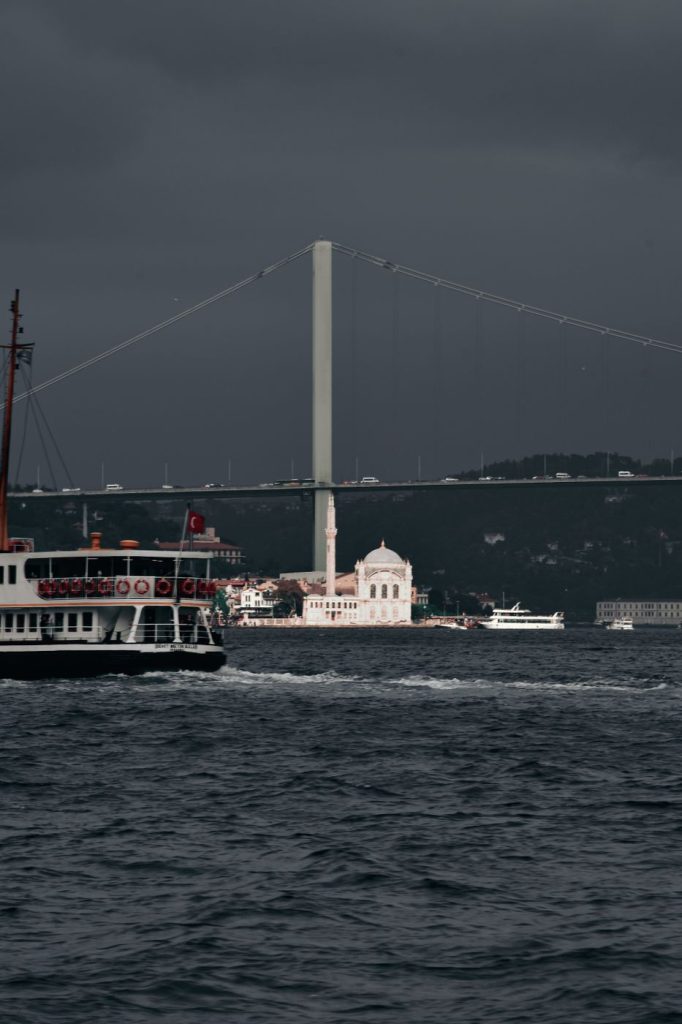
Ferries run all winter, and the 20-minute crossing from Eminönü to Üsküdar or Kadıköy costs a single Istanbulkart fare (₺58.52 on the Eminönü–Üsküdar line since July 2026). Sit inside with a glass of tea from the ferry kiosk and watch the skyline slide past. For more of the strait, join our Bosphorus and Galata Tower tour or the Bosphorus dinner cruise.
Spend a rainy day in the museums
Rainy days are museum days: Topkapı Palace and its Harem, the Istanbul Archaeology Museums, the Museum of Turkish and Islamic Arts on the Hippodrome, Istanbul Modern and the Pera Museum can easily fill two days. Our Old City tour covers the Blue Mosque, the Hippodrome, Topkapı Palace and the Grand Bazaar in one day, with entrance fees and lunch included.
Shop the covered bazaars
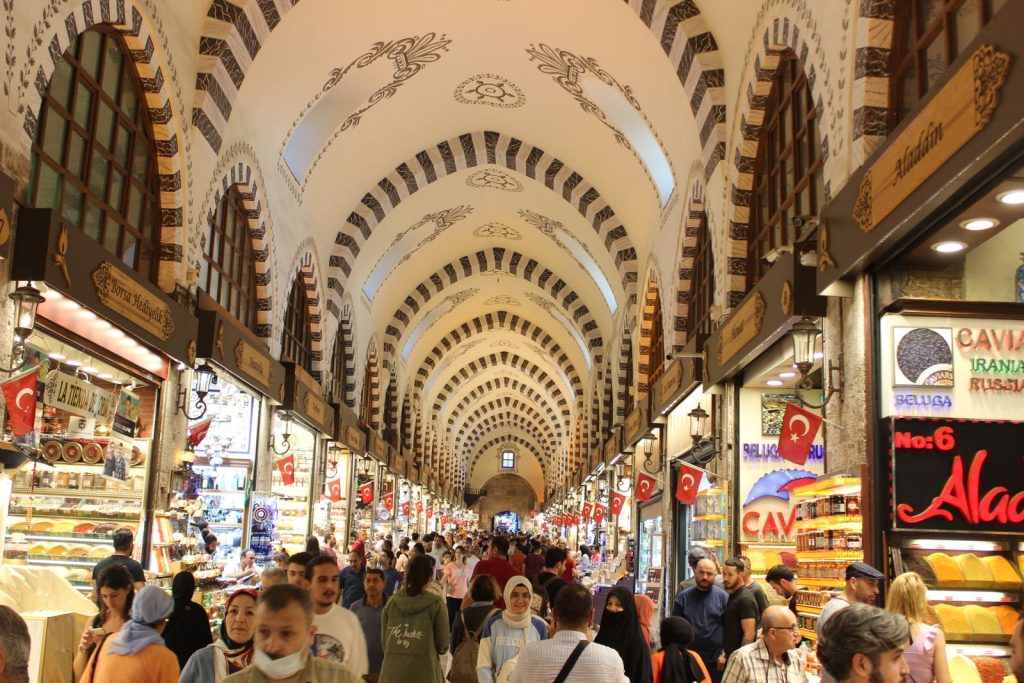
The Grand Bazaar’s 60-odd covered streets are dry whatever the weather (closed on Sundays), and the Spice Bazaar in Eminönü is open every day for Turkish delight, spices, dried fruit and tea.
Eat and drink like an Istanbul winter
- Boza: a thick, slightly sour fermented millet drink served with cinnamon and roasted chickpeas, best at Vefa Bozacısı, which has made it since 1876.
- Salep: a hot, creamy drink made with orchid-root flour and topped with cinnamon.
- Roasted chestnuts from street carts around Eminönü, İstiklal Avenue and Sultanahmet.
- Hamsi: fried Black Sea anchovies, the classic winter fish.
- Lentil soup at any lokanta, and a long Turkish breakfast on a slow morning.
See the whirling dervishes
The sema ceremony of the Mevlevi dervishes is a calm, hypnotic hour indoors. Our whirling dervish ceremony costs €30.
Celebrate New Year’s Eve
New Year is Istanbul’s big winter party, with lights on İstiklal Avenue, crowds in Taksim and Ortaköy, and dinner cruises on the Bosphorus. Roads around Taksim close on 31 December, so use the metro and ferries, and book restaurants and cruises early.
Holidays and Ramadan in winter 2026–27
Christmas Day is a normal working day in Istanbul, 1 January is a public holiday, and in 2027 Ramadan runs from 8 February to 8 March, followed by the Ramazan Bayramı holiday on 9–11 March. Sights stay open during Ramadan, and the evening iftar meal, when the city breaks its fast at sunset, is a lovely time to be out; during the three days of Bayram the Grand Bazaar closes and transport is busy.
What to wear in Istanbul in winter
- A waterproof, windproof jacket with a hood, plus a small umbrella
- Warm layers rather than one heavy coat: museums and trams are heated
- Waterproof shoes with good grip for wet marble, cobbles and steep streets
- A hat, gloves and a scarf for ferry decks and windy days
- For mosques: a headscarf for women, and long trousers or a long skirt for everyone
Is Istanbul worth visiting in winter?
Yes, if you come for history, food and atmosphere rather than sunshine. Weigh it up:
- Pros: short queues, lower hotel prices, cosy cafés and hammams, festive lights at New Year, and the chance of seeing the domes of Sultanahmet under snow.
- Cons: rain on about a third of days, short daylight, ferry delays in storms, and very busy streets over New Year.
Tip: Keep a flexible plan: put Topkapı, the museums and the bazaars on wet days, and save the Bosphorus and Galata Tower for the first clear, calm morning.
Frequently asked questions
Is Istanbul cold in winter?
Cool rather than freezing. From December to February average highs are about 9–11 °C and lows about 3–5 °C, but damp air and wind off the Bosphorus make it feel colder, so bring a waterproof, windproof jacket.
Does it snow in Istanbul in winter?
Sometimes. Snow falls in some winters, usually in January or February, when cold air arrives over the Black Sea. It rarely lasts more than a few days.
Is winter a good time to visit Istanbul?
Yes, for sightseeing. All the major sights are open, queues are shorter and hotels are cheaper than in summer, except around New Year. Expect rain on about a third of days.
Are Istanbul’s museums open in winter?
Yes. Hagia Sophia, the Blue Mosque, Topkapı Palace, the Basilica Cistern and the Archaeology Museums open all winter. Topkapı closes on Tuesdays, Dolmabahçe on Mondays and the Grand Bazaar on Sundays.
Do Bosphorus cruises run in winter?
Yes. Public ferries and guided Bosphorus tours run all year, and dinner cruises sail every evening. Storms occasionally cancel crossings for a few hours.
What should I wear in Istanbul in winter?
Layers, a waterproof jacket with a hood, waterproof shoes with grip, and a hat and scarf for the ferries. Women need a headscarf for mosques, and everyone should cover shoulders and knees.
Visiting Istanbul this winter? Our guided Old City tour covers the Blue Mosque, the Hippodrome, Topkapı Palace and the Grand Bazaar in one day, with entrance fees and lunch included, for €120.
Plan your Istanbul trip
Sources
- Climates to Travel: Turkey weather in December, January and February
- İnternethaber: sunrise and sunset in Istanbul on 21 December (in Turkish)
- Evrensel: Diyanet’s 2027 calendar, Ramadan and Bayram dates (in Turkish)
- Karekod: Istanbul public transport fares from 20 July 2026 (in Turkish)
- Sabah: 2026 ticket prices for foreign visitors, including Galata Tower (in Turkish)
- Ministry of Culture and Tourism: 2027 museum price list (PDF, in Turkish)
- Istanbul.com: Basilica Cistern under its new operator (checked October 2026)
Alpaca Travel is a licensed travel agency based in Bodrum, Turkey (TÜRSAB no. 18552). You can verify our licence on the TÜRSAB website or read our reviews on Tripadvisor.
Comments